


Pregnancy is an important stage of life that requires proper medical attention, regular monitoring, and timely healthcare guidance. While many pregnancies progress without major complications, some women may experience medical conditions that require additional care and supervision. Factors such as maternal age, high blood pressure, diabetes, thyroid disorders, previous pregnancy complications, multiple pregnancies, and certain fetal health concerns can increase the need for specialized pregnancy care. Recognizing these risk factors early can help expectant mothers receive appropriate medical evaluation and follow a suitable pregnancy care plan. Consulting a High-Risk Pregnancy Specialist in Jaipur at the right time can help identify potential complications, monitor maternal and fetal health, and guide women through different stages of pregnancy.
Knowing when to seek specialized pregnancy care is important for both first-time mothers and women who have experienced pregnancy complications in the past. Regular antenatal checkups, recommended ultrasound scans, blood investigations, and fetal monitoring help doctors assess pregnancy progress and identify concerns that may require further attention. A qualified Pregnancy Specialist in Jaipur can evaluate individual health conditions, review medical history, and recommend suitable monitoring based on the mother’s needs. Dr. Monica Chetani focuses on women’s healthcare, pregnancy care, and gynecological guidance, helping women understand their reproductive health and make informed decisions throughout their pregnancy journey. Early consultation and consistent medical supervision are important parts of a healthy pregnancy care plan.
What Is a High-Risk Pregnancy?
A high-risk pregnancy refers to a pregnancy in which the mother, baby, or both may have an increased possibility of developing health complications before, during, or after delivery. This does not necessarily mean that something will go wrong. It simply indicates that additional medical attention, specialized investigations, or closer monitoring may be required to manage potential risks.
A pregnancy may be considered high-risk because of existing medical conditions, complications that develop during pregnancy, previous reproductive health concerns, or factors affecting fetal development. For example, women with diabetes, hypertension, heart conditions, kidney disorders, or certain autoimmune diseases may need more frequent medical evaluations. Similarly, pregnancies involving twins or triplets may require additional monitoring because multiple pregnancies can have different medical requirements compared with singleton pregnancies.
Consulting a High-Risk Pregnancy Specialist in Jaipur helps expectant mothers understand their individual risk factors and receive appropriate medical guidance. The specialist evaluates the mother’s health, monitors fetal development, and recommends investigations or referrals when necessary. With timely assessment and personalized care, many pregnancy-related complications can be identified and managed appropriately.
When Should You Consult a High-Risk Pregnancy Specialist During Pregnancy?
There is no single stage at which every woman needs to consult a high-risk pregnancy specialist. Some women require specialized guidance before conception or during early pregnancy because of existing medical conditions, while others may develop complications during the second or third trimester. The right time depends on individual health, previous pregnancy history, and current medical findings.
Women should consider an early High-Risk Pregnancy Consultation in Jaipur if they have known medical conditions, previous pregnancy complications, or concerns identified during routine antenatal examinations. Early consultation allows the doctor to review medical records, understand potential risks, and plan appropriate monitoring from the beginning of pregnancy.
Some important situations in which specialized pregnancy evaluation may be recommended include:
Existing conditions such as diabetes, hypertension, thyroid disorders, or heart disease.
Previous miscarriage, premature delivery, stillbirth, or pregnancy-related complications.
Pregnancy after the age of 35, particularly when additional medical risk factors are present.
Twin or multiple pregnancies requiring closer maternal and fetal monitoring.
Abnormal findings during ultrasound scans or prenatal screening.
Development of high blood pressure, gestational diabetes, or other complications during pregnancy.
Women should not wait until symptoms become severe before seeking medical advice. Regular communication with a qualified pregnancy specialist helps ensure that potential concerns are evaluated at the appropriate time.
1. High Blood Pressure During Pregnancy
High blood pressure is one of the important medical conditions that may require specialized pregnancy monitoring. Some women have hypertension before becoming pregnant, while others develop high blood pressure during pregnancy. In certain cases, it may be associated with pre-eclampsia, a pregnancy complication that can affect the mother’s organs and the baby’s growth.
Women with a history of hypertension should discuss their condition with a pregnancy specialist as early as possible. Doctors may recommend regular blood pressure measurements, urine testing, blood investigations, and fetal growth monitoring depending on individual circumstances. Medication may also need to be reviewed because not all blood pressure medicines are suitable during pregnancy.
Symptoms such as severe headaches, blurred vision, pain in the upper abdomen, sudden swelling of the face or hands, or difficulty breathing require immediate medical assessment. These symptoms should never be ignored, particularly during the second and third trimesters.
2. Diabetes Before or During Pregnancy
Diabetes can influence pregnancy outcomes if blood glucose levels are not appropriately managed. Women who have type 1 or type 2 diabetes before pregnancy may require additional planning and monitoring. Gestational diabetes, which develops during pregnancy, also needs proper medical attention because it can affect both maternal health and fetal development.
A Pregnancy Specialist in Jaipur may recommend glucose screening, blood sugar monitoring, dietary guidance, and appropriate medication when required. Depending on the mother’s medical condition, additional ultrasound examinations may be suggested to assess fetal growth and amniotic fluid levels.
Managing blood glucose levels throughout pregnancy is important because uncontrolled diabetes may increase the risk of excessive fetal growth, delivery complications, and certain newborn health concerns. Regular follow-ups help doctors adjust the treatment plan according to changing pregnancy requirements.
3. Pregnancy After the Age of 35
Pregnancy after the age of 35 may involve certain additional health considerations. As maternal age increases, the chances of some pregnancy-related complications, including gestational diabetes, hypertension, and chromosomal abnormalities, may also increase. However, many women above 35 experience healthy pregnancies with appropriate medical care.
Women planning pregnancy or already expecting a baby after 35 can benefit from early consultation. A doctor may review ovarian and reproductive health history, existing medical conditions, and previous pregnancy records. Depending on the individual situation, prenatal screening, ultrasound examinations, and genetic counselling may be discussed.
Choosing appropriate High-Risk Pregnancy Care in Jaipur can help women understand available screening options and receive medical guidance throughout pregnancy. The purpose of specialized monitoring is to identify possible concerns early and support informed healthcare decisions.
4. Previous Pregnancy Complications
A woman’s previous pregnancy history can provide important information when planning care for a new pregnancy. Women who have experienced recurrent miscarriages, premature delivery, stillbirth, pre-eclampsia, fetal growth restriction, or certain delivery complications may require additional evaluation.
Previous complications do not automatically mean that the same problem will occur again. However, reviewing medical records and understanding the possible reasons behind earlier complications can help doctors develop an appropriate monitoring plan.
During a High-Risk Pregnancy Consultation in Jaipur, the specialist may evaluate previous investigation reports, delivery records, medical conditions, and current pregnancy findings. Depending on the situation, additional ultrasound scans, cervical length assessment, or other investigations may be recommended.
Personalized care is especially important for women who feel anxious because of previous pregnancy experiences. Clear medical explanations and regular follow-ups can help them understand their current pregnancy and the steps being taken to monitor their health.
5. Twin or Multiple Pregnancy
Carrying twins or more than one baby can require additional pregnancy monitoring. Multiple pregnancies have a higher likelihood of certain complications, including premature birth, fetal growth differences, gestational diabetes, and high blood pressure.
The type of monitoring required depends on whether the babies share a placenta, whether they have separate amniotic sacs, and other individual pregnancy findings. Regular ultrasound examinations help doctors assess fetal growth, fluid levels, and other important developmental factors.
Women carrying twins or triplets should discuss their antenatal care schedule with a qualified specialist. A suitable pregnancy monitoring plan helps doctors identify potential concerns and determine whether additional investigations or specialist referrals are needed.
6. Abnormal Ultrasound or Prenatal Screening Results
Ultrasound examinations and prenatal screening tests provide important information about fetal development and pregnancy health. Sometimes, these investigations may identify findings that require additional assessment. These may include suspected fetal growth restriction, structural abnormalities, increased nuchal translucency, abnormal placental findings, or concerns about amniotic fluid levels.
An abnormal screening result does not always mean that the baby has a medical condition. Screening tests estimate the possibility of certain conditions, while diagnostic investigations may be needed to confirm or clarify specific findings.
In such situations, consulting a pregnancy specialist or fetal medicine specialist can help parents understand the reports and available options. Depending on the findings, further ultrasound examinations, fetal echocardiography, genetic counselling, or diagnostic testing may be recommended.

Why Is a High-Risk Pregnancy Consultation Important?
A high-risk pregnancy consultation helps doctors identify maternal and fetal health concerns and determine the level of medical supervision required. It is not limited to women who already have complications. It can also be useful for women with existing health conditions or previous pregnancy experiences that may influence current pregnancy care.
During the consultation, the doctor generally reviews medical history, current symptoms, previous pregnancy records, medication details, and available investigation reports. Blood pressure, blood sugar levels, and other health parameters may also be assessed when necessary.
The specialist then explains the potential risks and recommends an individualized pregnancy care plan. This may involve more frequent antenatal appointments, additional ultrasound scans, laboratory investigations, medication adjustments, or coordination with other medical specialists.
Important Tests and Monitoring During a High-Risk Pregnancy
The tests recommended during a high-risk pregnancy depend on the mother’s medical history, gestational age, and clinical findings. Not every woman requires all available investigations. The treating doctor selects appropriate tests according to individual requirements.
Some commonly recommended investigations include:
Ultrasound Scans: Used to monitor fetal growth, development, placental position, and amniotic fluid levels.
Blood Pressure Monitoring: Helps identify hypertension and possible signs of pre-eclampsia.
Blood Sugar Testing: Helps screen for and monitor diabetes during pregnancy.
Blood and Urine Tests: May assess haemoglobin, kidney function, infections, and other relevant health parameters.
Fetal Growth Scans: Help evaluate the baby’s growth and identify possible growth restrictions.
Doppler Studies: Assess blood flow in selected maternal and fetal blood vessels when clinically indicated.
Fetal Echocardiography: Evaluates the baby’s heart structure and function when there is a medical indication.
These investigations help doctors monitor pregnancy progress and make informed decisions about further care. Their timing and frequency vary according to individual medical requirements.
Warning Signs During Pregnancy That Need Immediate Medical Attention
Although regular checkups are important, certain symptoms require urgent medical evaluation rather than waiting for the next scheduled appointment. Recognizing these warning signs can help expectant mothers seek timely medical assistance.
Important warning signs include:
Heavy vaginal bleeding or severe abdominal pain.
Severe headache, blurred vision, or sudden swelling of the face and hands.
Leakage of fluid from the vagina before labour.
Reduced or absent fetal movements after the stage when movements are regularly felt.
Persistent vomiting with signs of dehydration.
Fever accompanied by significant weakness or other concerning symptoms.
Difficulty breathing, chest pain, or fainting.
These symptoms may indicate pregnancy-related complications and should be assessed promptly. Severe symptoms such as chest pain, difficulty breathing, heavy bleeding, or seizures require emergency medical care.
How to Maintain Good Health During a High-Risk Pregnancy
Medical supervision is the most important part of high-risk pregnancy management, but healthy daily habits can also support maternal well-being. Women should follow their doctor’s recommendations regarding nutrition, physical activity, medication, and rest. The right approach depends on the underlying medical condition and the stage of pregnancy.
A balanced diet containing appropriate amounts of protein, vegetables, fruits, whole grains, and other essential nutrients can support general health. Supplements such as folic acid, iron, and calcium should be taken according to medical advice. Women with gestational diabetes or other metabolic conditions may require individualized dietary guidance.
Physical activity may be beneficial for many pregnant women, but the type and intensity should be discussed with the treating doctor. Some medical conditions require activity restrictions or additional precautions. Avoiding tobacco, alcohol, and unprescribed medication is also important.
Most importantly, women should attend scheduled antenatal appointments, complete recommended investigations, and contact their doctor if new symptoms develop. Consistent monitoring helps ensure that changes in maternal or fetal health receive appropriate attention.
Why Choose Dr. Monica Chetani for Pregnancy and Women’s Healthcare Guidance?
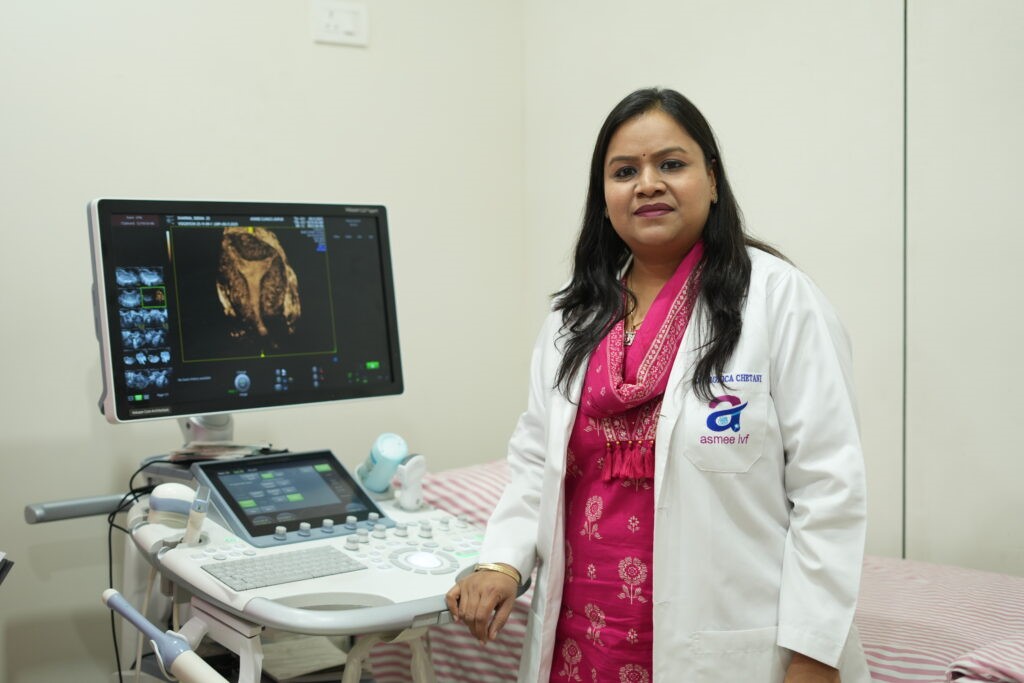
Choosing a doctor for pregnancy care is an important decision, particularly when additional medical monitoring is required. Women benefit from a healthcare professional who understands their medical history, listens to their concerns, and provides clear explanations about investigations and treatment options.
Dr. Monica Chetani provides gynecological and women’s healthcare services, including pregnancy-related consultations and reproductive health guidance. Women looking for a Pregnancy Specialist in Jaipur can seek medical consultation to discuss their pregnancy concerns, understand recommended investigations, and receive guidance based on their individual health requirements.
For women with existing medical conditions, previous pregnancy complications, or concerns identified during routine scans, an appropriate medical evaluation helps determine whether specialized care is needed. Dr. Monica Chetani emphasizes the importance of understanding individual health needs, following recommended checkups, and making informed decisions throughout pregnancy.
If you are looking for High-Risk Pregnancy Care in Jaipur, an early consultation can help you understand possible risk factors and the monitoring required during different stages of pregnancy. Every pregnancy is different, so medical advice should always be based on individual clinical findings rather than general assumptions.
FAQs
1. When should I consult a high-risk pregnancy specialist?
You should consider consulting a specialist early in pregnancy if you have diabetes, hypertension, thyroid disorders, previous pregnancy complications, multiple pregnancies, or other medical conditions. Your regular obstetrician may also recommend specialist evaluation if concerns arise during routine checkups.
2. What are the common causes of high-risk pregnancy?
Common factors include maternal age, existing medical conditions, high blood pressure, diabetes, multiple pregnancies, previous pregnancy complications, and certain fetal development concerns. The risk depends on individual health and pregnancy history.
3. Can a high-risk pregnancy result in a healthy baby?
Yes, many women with high-risk pregnancies have healthy babies. Appropriate medical supervision, timely investigations, and individualized treatment can help manage potential complications. However, outcomes vary depending on the underlying condition.
4. How often should I visit a doctor during a high-risk pregnancy?
The frequency of appointments depends on the mother’s medical condition, pregnancy stage, and fetal health. Some women may need more frequent consultations, ultrasound scans, and monitoring than those with uncomplicated pregnancies.
5. Is pregnancy after IVF considered high-risk?
Pregnancy after IVF may require additional attention depending on factors such as maternal age, underlying infertility conditions, multiple pregnancy, and other medical concerns. IVF pregnancy is not automatically classified as high-risk in every case. The doctor determines the appropriate level of monitoring.
Conclusion
Knowing when to consult a high-risk pregnancy specialist can make an important difference in understanding and managing pregnancy-related health concerns. Women with diabetes, hypertension, previous pregnancy complications, multiple pregnancies, or abnormal ultrasound findings may need additional medical evaluation and monitoring. Even when pregnancy appears normal, regular antenatal checkups remain essential for assessing maternal health and fetal development.
If you are experiencing pregnancy-related concerns or have been advised to seek specialized monitoring, timely consultation with a qualified doctor is important. Dr. Monica Chetani provides women’s healthcare and pregnancy-related medical guidance to help women understand their health requirements and available care options. Choosing appropriate High-Risk Pregnancy Care in Jaipur can help expectant mothers stay informed, receive timely medical attention, and approach every stage of pregnancy with greater confidence.