Pregnancy Planning Specialist | 15+ Years Experience | 2,000+ Patients | Holistic Pre-Pregnancy Care
Most couples start trying for a baby and only see a doctor if something goes wrong. But the months before you conceive are some of the most important of your pregnancy — and your baby’s entire life. What you do before the positive test matters enormously.
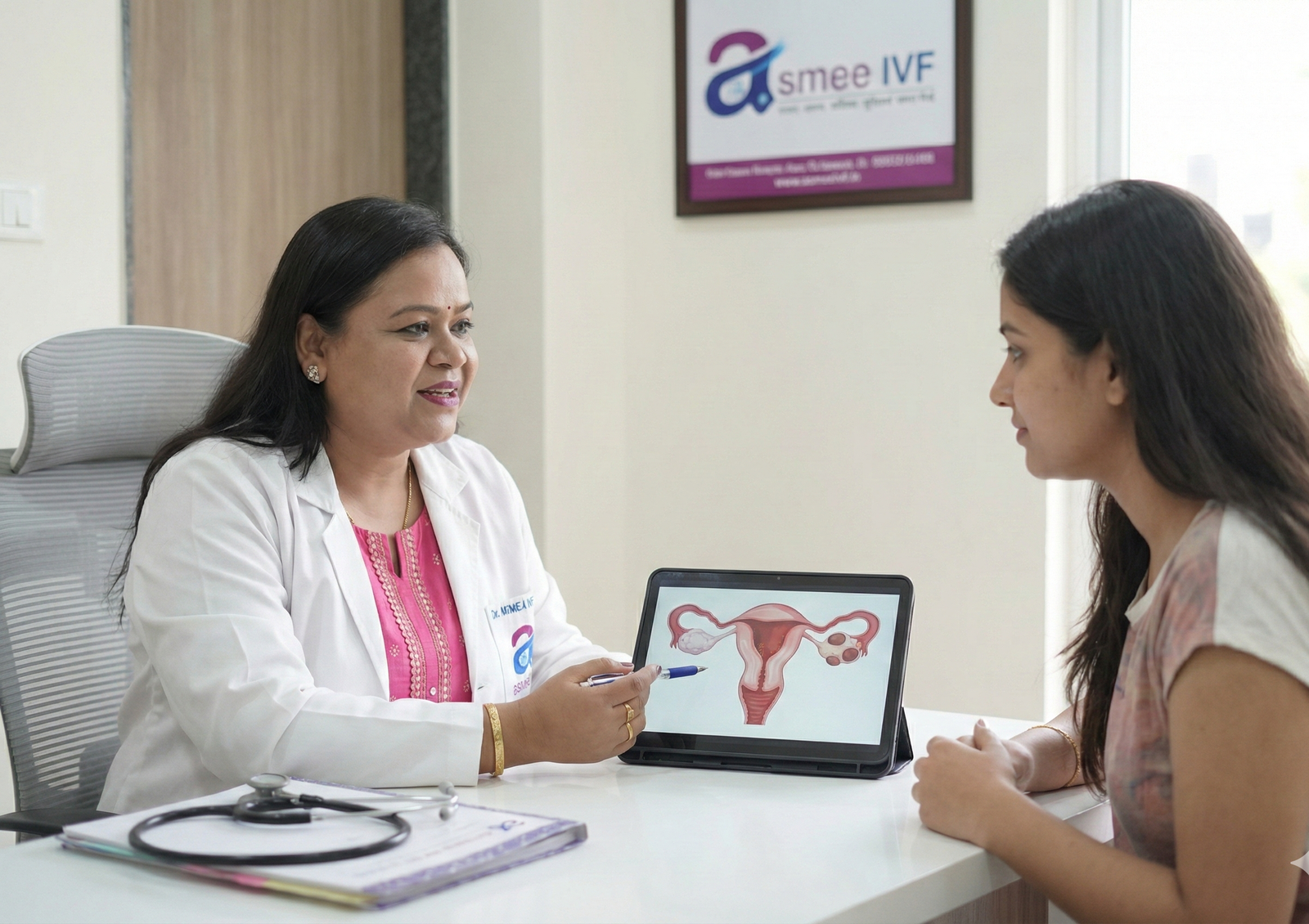
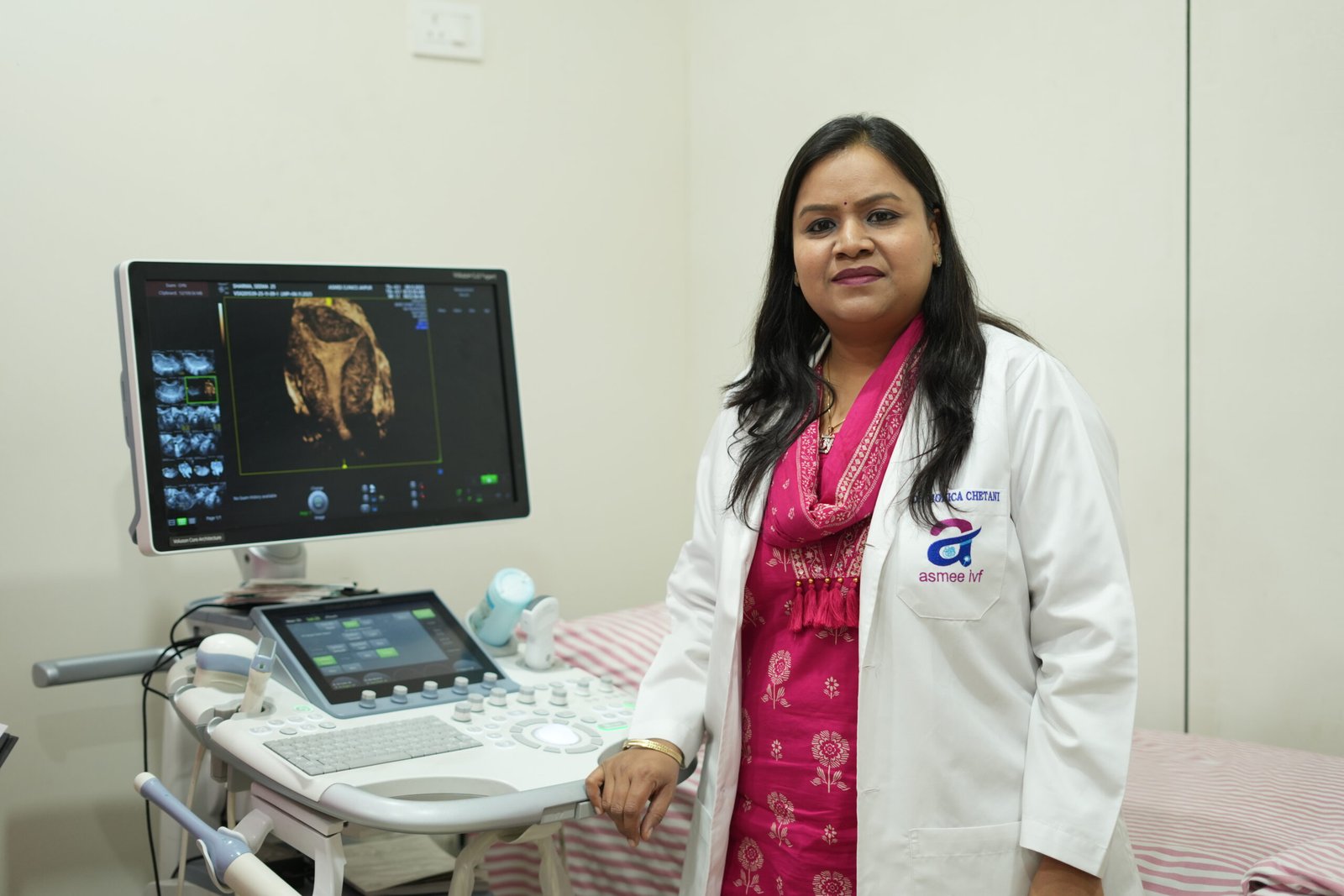
Pre-conception counseling is a one-on-one medical consultation with Dr. Monica Chetani designed specifically for couples who are planning to start a family — whether it’s your first pregnancy, your third, or you’ve had a loss in between. In a single, unhurried session, you get a complete health picture, personalised guidance on timing and lifestyle, the right tests ordered, and a clear plan to give your pregnancy the strongest possible start.

Pre-conception counseling is a medical consultation that happens before pregnancy begins. Think of it as a pregnancy MOT — a thorough review of your health, your partner's health, your lifestyle, your family history, and any medical conditions — all with one goal: making sure that when you conceive, both you and your baby have the best possible foundation.
Here's something most people don't know: nearly 50% of pregnancies in India are unplanned, and many planned pregnancies still begin without any medical preparation. The result? Preventable complications — anaemia, uncontrolled thyroid, undiagnosed infections, nutritional deficiencies — that only get discovered weeks or months into the pregnancy, when some damage may already be done.
A pre-conception consultation changes that. It puts you in the driver's seat before conception — not after.
Honestly? Almost anyone planning a pregnancy benefits from at least one pre-conception visit. But it’s especially important if any of the following apply to you:
Pre-conception care isn’t just for women. Sperm quality is shaped by lifestyle, nutrition, heat exposure, medications, and underlying conditions — all of which can be assessed and improved in the 3 months before trying to conceive (one full sperm production cycle).
This is not a rushed appointment. Dr. Monica spends 20–30 minutes with you — reviewing your full medical and reproductive history, understanding your goals and timeline, and creating a plan that’s specific to your situation. Here’s exactly how the consultation is structured:
Menstrual history: cycle regularity, duration, flow, pain — signals of ovulation health
Obstetric history: previous pregnancies, miscarriages, deliveries, complications
Medical history: chronic conditions, surgeries, hospitalisations
Medication review: everything you’re currently taking, including supplements
Vaccination status: especially rubella, hepatitis B, varicella — all relevant before pregnancy
Family history: genetic conditions, birth defects, hereditary diseases on both sides
Lifestyle review: diet, alcohol, smoking, exercise, sleep, occupation hazards
Not everyone needs the same tests. Dr. Monica recommends only what’s clinically relevant for your specific history and risk profile. This avoids unnecessary spending and anxiety from tests that don’t apply to you.
You leave with a written summary: what to start now (supplements, lifestyle changes), what to monitor, when to return for follow-up, and what the ideal timeline looks like for beginning to try.
One of the most common questions couples ask is: what tests should I get done before trying for a baby? The answer depends on your health history, age, and risk factors. Below is a comprehensive overview of what may be recommended — not all of these apply to everyone.
| Test | What It Checks | Why It Matters |
|---|---|---|
| Complete Blood Count (CBC) | Anaemia, white cell count, platelet levels | Anaemia is very common in Indian women and must be corrected before pregnancy. |
| Thyroid Function (TSH, T3, T4) | Thyroid hormone levels | Uncontrolled thyroid is a leading cause of miscarriage and developmental delay. |
| Blood Sugar (Fasting + HbA1c) | Pre-diabetes or diabetes | High blood sugar in early pregnancy causes birth defects. |
| Rubella IgG (immunity status) | Whether you're immune to rubella | Rubella in first trimester causes severe foetal abnormalities. Vaccinate before conceiving if not immune. |
| Hepatitis B & C | Liver infections | Can be transmitted to baby. Treatment or monitoring needed before/during pregnancy. |
| HIV & VDRL (Syphilis) | STI screening | Both can affect baby — testing is standard pre-conception care. |
| TORCH Panel | Toxo, rubella, CMV, herpes | Active TORCH infections in early pregnancy cause congenital abnormalities. |
| Vitamin D & Folic Acid levels | Nutritional status | Deficiencies linked to neural tube defects, miscarriage, and preterm birth. |
| Thyroid antibodies (TPO-Ab) | Autoimmune thyroid disease | Even with normal TSH, antibodies raise pregnancy loss risk. |
| AMH + Pelvic Ultrasound | Ovarian reserve and uterine health | Identifies structural issues or low egg reserve early — especially relevant for women 32+. |
| Karyotyping / Genetic Carrier | Chromosomal status | For couples with family history of genetic conditions or recurrent miscarriage. |
| Semen Analysis (partner) | Sperm count, motility, morphology | Identifies treatable male factors early — before months of trying. |
| Cervical Smear (Pap Test) | Cervical cell changes | Should be up to date before pregnancy — treatment is harder during. |
The three months before conception — sometimes called the ‘pre-conception window’ — are when the foundations of your baby’s development are being laid. Egg quality, sperm health, uterine lining, hormonal balance — all of these are influenced by what you eat, how you sleep, and what you avoid.
Sperm take approximately 72 days to fully develop. That means the sperm that fertilise your egg were produced about 3 months earlier — and whatever the man was doing (or not doing) during those 3 months directly affects sperm quality.
Living with diabetes, hypothyroidism, lupus, hypertension, epilepsy, or any other chronic condition doesn’t mean you can’t have a healthy pregnancy — but it does mean your pregnancy needs to be planned more carefully. Pre-conception counseling for women with chronic illness covers:
Many couples assume that because the first pregnancy went well, the second needs no preparation. But a previous uncomplicated delivery doesn’t guarantee the next one. Pre-conception counseling for a second pregnancy is especially valuable if:
Your age has crossed 35 since your last delivery
PCOS is the most common hormonal condition among women of reproductive age in India, and it has direct implications for both conception and pregnancy. Pre-conception counseling for PCOS patients covers ovulation assessment, blood sugar and insulin status, weight management, and whether any medical intervention is needed before natural conception is attempted. The good news: with proper preparation, most women with PCOS have successful pregnancies.
If there’s a history of genetic conditions in your family or your partner’s family, a pre-conception consultation with a genetic specialist can be one of the most valuable decisions you make. Dr. Monica works alongside genetic counselors and can refer you when indicated.
Pre-conception genetic carrier testing — where both partners are tested to see if they carry genes for the same recessive conditions — is increasingly available and can prevent tragic outcomes for children who would otherwise inherit two copies of a harmful gene.
Timing your preparation well doesn’t just reduce risk — it also removes the anxiety of feeling underprepared. Here’s a practical, month-by-month guide to when to do what:
| When | Action | Who | Priority |
|---|---|---|---|
| 6–12 months before trying | First pre-conception consultation with Dr. Monica | Both partners | Essential |
| 6–12 months before | Vaccination review — rubella, varicella, Hep B | Woman | High |
| 3–6 months before | Start folic acid / methylfolate 400–800 mcg daily | Woman | Essential |
| 3–6 months before | Complete recommended blood tests | Both partners | Essential |
| 3–6 months before | Begin lifestyle changes: diet, weight, smoking, alcohol, exercise | Both partners | High |
| 3–6 months before | Medication review — switch unsafe medications | Woman (with doctor) | Critical if on meds |
| 3 months before | Male partner starts antioxidant supplements | Man | Recommended |
| 1–2 months before | Follow-up visit to review test results and confirm readiness | Both partners | Essential |
| When actively trying | Track ovulation (app / LH strips / ultrasound monitoring) | Woman | Helpful |
| Week 6–8 of pregnancy | First antenatal booking appointment | Both partners | Essential |
If you’re already planning to try this month or next — don’t worry. Even a single pre-conception visit in the cycle before you start trying is better than none. Come in now and we’ll prioritise what matters most given your timeline.
Pre-conception counseling isn’t a specialty you see listed on every clinic’s board. Most couples either skip it entirely or get a rushed 10-minute ‘take folic acid and come back when you’re pregnant’ conversation. Dr. Monica’s approach is different — and it’s shaped by 15 years of seeing what happens when couples are properly prepared, and what happens when they’re not.
| What Makes Her Different | The Detail | What It Means for You |
|---|---|---|
| Fellowship in Reproductive Medicine | FNB — the highest specialist qualification in fertility and reproductive health in India | You're not seeing a general OB/GYN. You're seeing a specialist whose entire career is centred on this. |
| Holistic approach from day one | Nutrition, genetics, medications, mental health — all reviewed together, not in silos | Your plan is complete, not piecemeal. No gaps that come back to bite you mid-pregnancy. |
| Same-day test results possible | In-house diagnostic lab on the premises | Faster turnaround from consultation to treatment plan — no waiting weeks for results from external labs. |
| 20–30 minute consultations, always | Standard for every patient — enforced, not just promised | You have time to ask every question you came in with. And the ones you thought of on the way. |
| WhatsApp access between visits | Direct line for follow-up questions | No waiting 2 weeks for a callback to ask a simple question about your supplements. |
| 4.9/5 Google rating, 74+ reviews | Consistent patient feedback over years | Real reviews from real patients — not a handful of curated testimonials. |
These aren’t dramatic recovery stories — they’re accounts of people who came in with questions and left with a plan. Which is exactly what pre-conception counseling is supposed to do.
"We didn't even know pre-conception counseling was a thing until a friend recommended Dr. Monica. In one appointment she identified that my thyroid was borderline, my Vitamin D was very low, and my rubella immunity had waned. We sorted everything before we started trying. I got pregnant on my third cycle and had a completely uncomplicated pregnancy. Worth every rupee."
"After my first miscarriage I was terrified of trying again without understanding what had happened. Dr. Monica ran the full recurrent loss panel, found an underlying clotting issue, and put me on treatment before we tried again. I'm now 32 weeks pregnant and everything is going perfectly. The pre-conception consultation literally changed the outcome of my pregnancy."
"I have PCOS and was dreading the conversation about pregnancy. Dr. Monica spent half an hour with me going through exactly what PCOS means for conception, what I needed to check, what to start taking, and when to come back. For the first time in years I felt calm about it. That kind of clarity is rare."
| MYTH | REALITY |
|---|---|
| 'I'm healthy. I don't need pre-conception counseling' | Even completely healthy women benefit. Pre-conception care isn't about treating illness — it's about optimising a healthy baseline. Nutritional deficiencies, vaccination gaps, and lifestyle factors affect even healthy women. |
| 'Just start taking folic acid and you're done' | Folic acid is important but it's one piece. Thyroid function, blood sugar, immunity status, iron levels, and a full medical history review are all part of proper preparation — and none of them are covered by folic acid alone. |
| 'I had a normal pregnancy last time, so I don't need it this time' | Your body and health have changed since your last pregnancy. Pre-conception care for second pregnancies is especially valuable if there were any complications, if significant time has passed, or if your age or health has changed. |
| 'Pre-conception tests are expensive and mostly unnecessary' | A targeted pre-conception panel costs ₹3,000–6,000. Identifying and treating a thyroid issue, anaemia, or infection before pregnancy costs far less — financially and emotionally — than managing the consequences during it. |
| 'This is only for women with fertility problems' | Pre-conception counseling is for anyone planning a pregnancy — not just those with known fertility issues. Prevention is always better and cheaper than treatment. |
| 'I can just look this up online' | The internet will tell you to take folic acid, avoid alcohol, and 'eat well'. A 20-minute consultation with a reproductive medicine specialist will tell you what applies specifically to you — including things the internet can't know about your history. |
A: It’s still valuable — particularly if time has passed since your last pregnancy, if you’ve developed new health conditions, if there was any complication last time, or if you’ve had a miscarriage in between. Your health profile at 32 may be different from what it was at 28. A review costs ₹500 and takes 30 minutes.
A: The most commonly recommended tests include a thyroid panel, blood sugar, complete blood count, TORCH panel, vitamin D and folate levels, rubella immunity, hepatitis B/C, and a pelvic ultrasound. Additional tests — like AMH, karyotyping, or thrombophilia screening — are recommended based on individual history. Dr. Monica will only suggest tests that are relevant to your situation.
A: The initial consultation is ₹500. A standard pre-conception blood panel typically costs ₹3,000–6,000 depending on which tests are recommended for your profile. Supplements, if needed, are a separate ongoing cost. There are no hidden charges — everything is explained transparently during the consultation.
A: We recommend it — especially for the first visit. Male factor contributes to fertility outcomes, and the partner’s medical history, medications, and lifestyle are all relevant inputs to the plan. However, if the partner cannot come, the consultation can begin with the woman and the partner’s information can be gathered separately.
A: Yes — PCOS has specific implications for conception and early pregnancy that are worth addressing in a pre-conception consultation. This includes ovulation assessment, blood sugar and insulin sensitivity testing, weight optimisation, and deciding whether ovulation induction is needed before natural conception is attempted. See the PCOS treatment page for more detail.
A: Absolutely yes. After two or more pregnancy losses, a full recurrent pregnancy loss workup is recommended before the next attempt. This typically includes genetic testing of both partners, thrombophilia screening, uterine cavity evaluation, and hormonal assessment. Many of the causes are treatable — but they need to be identified first.
A: Absolutely. In fact, coming in early — before you’re actively trying — gives you more time to optimise everything without pressure. Even if you’re 12 months away from wanting to conceive, a pre-conception visit now helps you understand your baseline, identify anything that needs attention, and go into the process feeling informed and prepared.
The more you bring, the more useful the consultation. Here’s what helps Dr. Monica give you the most personalised, accurate advice:
| What to Bring | Details |
|---|---|
| Previous reports | Any blood tests, scans, or specialist letters from the last 2 years — including thyroid results, sugar tests, pelvic scans. |
| Medication list | Everything you're currently taking — prescriptions, OTC medicines, vitamins, herbal supplements. |
| Menstrual history | Approximate cycle length and regularity — or your period tracker app data if you use one. |
| Obstetric history | Details of any previous pregnancies, deliveries, complications, or miscarriages. |
| Family history notes | Any known conditions on your side or your partner's side — genetic disorders, heart disease, diabetes, thyroid, birth defects. |
| Your questions | Write them down before you come. Every question gets answered — you won't leave with unasked questions because time ran out. |
After your consultation you will receive a clear written summary: what tests to get, what supplements to start, what lifestyle changes to make, and when to come back. Not a vague list — a specific, actionable plan.
Pregnancy is one of the most important things your body will ever do. The months before you conceive are when the foundations are laid — for your baby’s development, for the health of your pregnancy, and for your own wellbeing through what comes next. Pre-conception counseling isn’t an extra step. It’s the first step — done properly.
Dr. Monica Chetani has helped hundreds of couples in Jaipur walk into pregnancy better prepared, more confident, and with far fewer surprises. That’s what this consultation is designed to do for you.
Dr Monica Chetani is leading gynecologist in Jaipur providing comprehensive women’s healthcare consultation in Vaishali Nagar, having more 15+ years of expertise in PCOS, Menopause, Infertility, Irregular Period & more women health related issue treatment.
Copyright © 2026 All Rights Reserved.
