

Starting an IVF journey can bring a mixture of hope, excitement, uncertainty, and many questions. For couples considering fertility treatment, understanding what happens from the first consultation through pregnancy can make the process feel more manageable. IVF, or in vitro fertilisation, is an assisted reproductive treatment in which eggs and sperm are used to create embryos in a laboratory, followed by transfer of an embryo into the uterus when appropriate. Every patient’s treatment plan is different, and the timeline can vary depending on medical history, age, ovarian response, sperm factors, previous fertility treatment, and the specific IVF approach recommended by the fertility specialist.
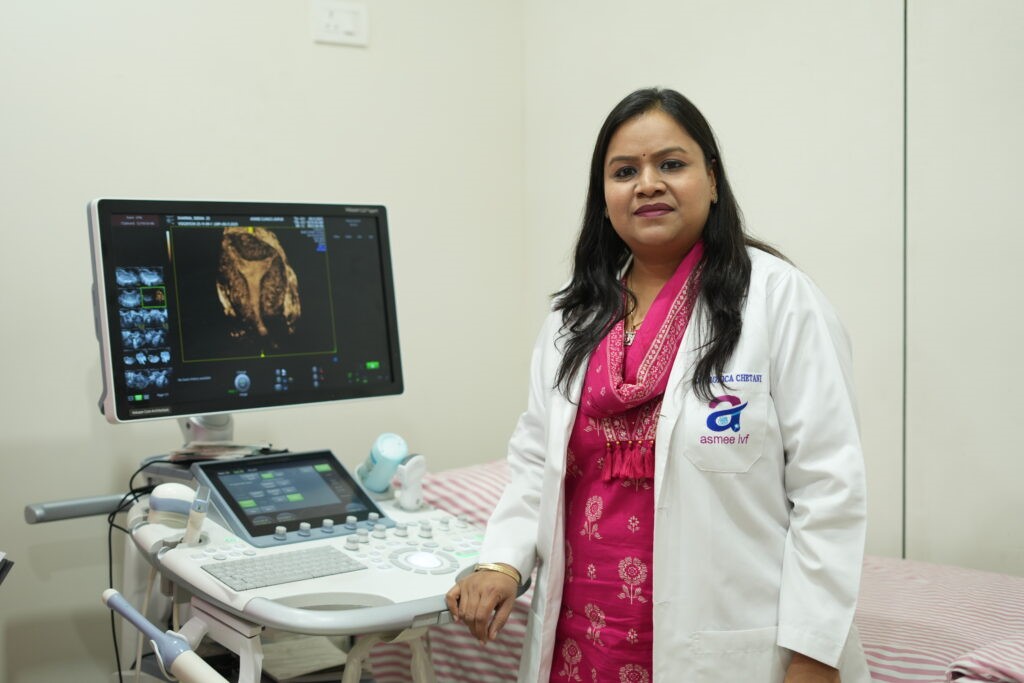
For someone searching for IVF treatment in Jaipur, choosing the right medical guidance is an important part of the process. Dr. Monica Chetani focuses on women’s reproductive health and fertility care, helping patients understand their options based on their individual circumstances. Whether you are beginning your fertility evaluation, have already undergone preliminary tests, or are specifically researching the Best IVF Treatment in Jaipur, it is useful to understand that IVF is not a single procedure but a series of carefully monitored steps. From consultation and testing to ovarian stimulation, egg retrieval, embryo development, transfer, and pregnancy testing, each stage has a specific purpose.
What Is IVF Treatment and Why Is It Recommended?
IVF is a form of assisted reproductive technology that can be considered when pregnancy has not occurred through other approaches or when certain fertility factors make IVF an appropriate option. During IVF, eggs are collected from the ovaries and fertilised with sperm in a laboratory. The resulting embryos are monitored for development, and an embryo may subsequently be transferred into the uterus according to the treatment plan.
IVF may be considered for several fertility-related circumstances, including problems involving the fallopian tubes, certain ovulation difficulties, endometriosis, some male-factor fertility issues, unexplained infertility, or situations where previous fertility treatments have not resulted in pregnancy. The decision to recommend IVF should be individualized. A fertility specialist evaluates the patient’s reproductive history, investigations, age, ovarian reserve, sperm parameters, and other relevant factors before discussing whether IVF is appropriate.
Your First IVF Consultation
The first consultation is an important opportunity to understand your fertility history and discuss your concerns. During the appointment, the doctor may ask about menstrual cycles, previous pregnancies, previous fertility treatments, medical conditions, medications, surgeries, and the duration of attempts to conceive. Information about the partner’s reproductive health may also be relevant because fertility can involve factors affecting either or both partners.
The purpose of the first consultation is not simply to decide whether IVF should be started immediately. It is about understanding the overall clinical picture. Based on the medical history, the doctor may recommend specific investigations to understand ovarian function, uterine health, ovulation, sperm parameters, or other factors. This information helps create a treatment plan that is more appropriate for the individual patient rather than following the same approach for everyone.
Fertility Tests Before Starting IVF
Before beginning IVF treatment, fertility specialists generally need relevant information about both partners. For women, investigations may include blood tests, ultrasound assessment, ovarian reserve evaluation, and other tests depending on the medical history. The uterus and ovaries may also be assessed to identify factors that could influence treatment planning.
Male fertility evaluation may include semen analysis to assess sperm concentration, movement, and morphology. Depending on the findings and medical history, additional tests may sometimes be considered. These assessments help the fertility team understand whether there are factors that may affect fertilisation or embryo development.
Testing before IVF is important because it allows treatment to be planned around the patient’s actual clinical circumstances. Not every patient requires every possible fertility test, and the appropriate evaluation depends on the information already available and the questions the specialist needs to answer.
Creating an Individual IVF Treatment Plan
Once the initial evaluation is complete, the fertility specialist can discuss the available treatment options and explain the proposed IVF protocol. The plan may include medication schedules, monitoring appointments, egg retrieval, fertilisation, embryo culture, and embryo transfer. The exact protocol can differ considerably from one patient to another.
Factors such as age, ovarian reserve, previous response to fertility medication, medical history, and previous IVF cycles can influence treatment planning. This is why information found online should not be used as a substitute for an individualized medical consultation. When researching the Top IVF Treatment in Jaipur, patients should focus not only on treatment availability but also on whether the clinic and specialist provide appropriate evaluation and personalized guidance.
Ovarian Stimulation During IVF
One of the central stages of an IVF cycle is ovarian stimulation. In a natural menstrual cycle, typically one dominant follicle develops and releases an egg. During IVF, fertility medications may be used to encourage the development of multiple follicles so that several eggs may be available for collection.
The medication protocol and dosage are selected according to the patient’s circumstances. During this stage, the ovaries are monitored through ultrasound examinations and sometimes blood tests. Monitoring allows the fertility team to observe follicular development and determine how the ovaries are responding to medication.
Patients may experience physical and emotional changes during stimulation. Some may notice bloating, abdominal discomfort, breast tenderness, mood changes, or fatigue. Individual experiences vary, and patients should contact their medical team if they experience concerning or severe symptoms during treatment.
Monitoring Your Response to IVF Medication
Monitoring is an important part of IVF because ovarian response differs between individuals. Ultrasound examinations allow the doctor to observe developing follicles, while blood tests may provide additional information depending on the treatment protocol. The medical team uses this information to determine whether medication adjustments are necessary and when the next stage of treatment should occur.
Patients should follow their medication schedule carefully and attend recommended monitoring appointments. IVF treatment involves timing-sensitive steps, so communication with the fertility team can be particularly important. If there is uncertainty about medication instructions, patients should seek clarification directly from their healthcare provider rather than making changes independently.

The Egg Retrieval Procedure
When the follicles have developed appropriately, medication is used to help prepare the eggs for retrieval. Egg retrieval, also known as oocyte retrieval, is a procedure in which eggs are collected from the ovaries using a specialized technique under medical supervision.
The procedure is generally performed with appropriate pain management or sedation according to the clinical setting and patient’s needs. A specialist uses ultrasound guidance to access the follicles and collect the available eggs. After retrieval, the eggs are assessed in the laboratory to determine which are suitable for further treatment.
The number of eggs retrieved can vary significantly between patients. Importantly, egg quantity alone does not determine the final outcome of an IVF cycle. Egg maturity, fertilisation, embryo development, age, sperm factors, and several other variables can influence the treatment journey.
What Happens to the Eggs and Sperm in the Laboratory?
After egg retrieval, the collected eggs are taken to the embryology laboratory. Sperm is prepared for fertilisation, and the fertility team determines the appropriate fertilisation method based on the clinical circumstances. Conventional IVF involves placing eggs and sperm together under controlled laboratory conditions, while ICSI involves injecting a selected sperm directly into an egg.
The choice between IVF and ICSI depends on factors such as sperm parameters, previous fertilisation outcomes, and the treatment plan. The embryology team then monitors the fertilised eggs and developing embryos over the following days.
This laboratory stage is an important part of IVF because fertilisation and embryo development must be carefully monitored. Patients may receive updates from the fertility team about the number of eggs collected, fertilisation, and embryo development according to the clinic’s communication process.
Embryo Development and Selection
After fertilisation, embryos are cultured in the laboratory and observed as they develop. Not every fertilised egg necessarily develops into an embryo suitable for transfer. Embryo development can vary between individuals and between cycles.
The fertility and embryology teams consider the development of the embryos when deciding which embryo may be appropriate for transfer. In some circumstances, embryos may be frozen for later use. The decision about fresh or frozen embryo transfer depends on factors such as the patient’s medical circumstances, uterine environment, hormone levels, embryo development, and the clinic’s treatment plan.
Patients should understand that embryo development is one of the stages where outcomes can vary naturally. The number of eggs retrieved does not necessarily equal the number of embryos available for transfer.
Preparing for Embryo Transfer
Before embryo transfer, the doctor evaluates the uterus and endometrial lining as part of the treatment plan. The timing of transfer is coordinated with the patient’s cycle and the developmental stage of the embryo.
Embryo transfer is generally a relatively short procedure. A thin catheter is used to place the selected embryo into the uterus. The procedure does not involve the same type of egg retrieval process, and many patients are able to resume normal light activities afterward according to their doctor’s instructions.
Patients often feel anxious about this stage because it represents an important milestone in the IVF journey. It is important to follow the specific medical instructions provided by the treating team rather than relying on generalized advice from social media or online forums.
The Waiting Period After Embryo Transfer
The period between embryo transfer and pregnancy testing is often emotionally challenging. Patients may notice symptoms such as mild cramping, bloating, breast tenderness, or no symptoms at all. These sensations do not reliably indicate whether implantation or pregnancy has occurred.
Fertility medications, including hormonal support, can also cause symptoms that resemble early pregnancy symptoms. For this reason, patients should avoid interpreting every physical sensation as a sign of treatment success or failure. The most reliable way to determine whether pregnancy has occurred is to follow the testing schedule recommended by the fertility specialist.
When Is the Pregnancy Test Done?
After embryo transfer, the fertility team will advise when pregnancy testing should be performed. A blood test measuring beta-hCG is commonly used to determine whether pregnancy has occurred. Testing too early can sometimes create confusion because hormone levels may not yet be sufficiently detectable or because fertility medications can affect certain test results.
If the pregnancy test is positive, the fertility team may recommend follow-up blood tests and an ultrasound at an appropriate stage to confirm the progression of the pregnancy. If the result is negative, the doctor can discuss what happened during the cycle and whether additional evaluation or another treatment approach should be considered.
What Happens After a Positive IVF Pregnancy Test?
A positive pregnancy test is an important milestone, but it is only one stage of the pregnancy journey. The medical team will monitor the pregnancy appropriately to assess its development. An ultrasound is usually performed at the appropriate gestational stage to confirm the location and development of the pregnancy.
Early pregnancy can involve uncertainty, particularly for patients who have experienced previous pregnancy losses or prolonged infertility. Regular medical follow-up helps the doctor monitor the pregnancy and address concerns when necessary. Patients should continue prescribed medications as instructed and should not stop fertility-related medication without speaking with their doctor.
What If the IVF Cycle Does Not Result in Pregnancy?
Not every IVF cycle results in pregnancy, and a cycle that does not lead to pregnancy does not necessarily mean that future treatment cannot work. Several stages influence the final outcome, including ovarian response, egg maturity, fertilisation, embryo development, embryo quality, uterine factors, and other patient-specific variables.
If an IVF cycle is unsuccessful, the fertility specialist may review the treatment cycle in detail. Depending on the circumstances, the doctor may discuss whether additional investigations, changes to the treatment protocol, frozen embryo transfer, or another approach could be appropriate. The next step should be based on the individual’s clinical history rather than a generic online recommendation.
How to Prepare Emotionally and Practically for IVF
IVF can be physically demanding as well as emotionally challenging. Appointments, medication schedules, investigations, procedures, and uncertainty during the waiting period can affect daily routines. Having realistic expectations and maintaining open communication with your healthcare team can make the process easier to navigate.
Couples may also find it helpful to discuss practical arrangements before starting treatment, such as travel to appointments, work schedules, medication timing, and available emotional support. If the process feels overwhelming, discussing emotional concerns with a qualified professional can also be appropriate. Fertility treatment is not only about medical procedures; emotional wellbeing and clear communication are also valuable parts of the overall experience.
How to Choose IVF Care in Jaipur
Patients researching IVF treatment in Jaipur may come across many clinics and treatment-related claims online. Instead of making a decision based solely on words such as “best” or “top,” it can be more useful to examine practical and medical factors. These can include the qualifications and experience of the treating doctor, the diagnostic process, available fertility services, laboratory facilities, communication practices, and whether treatment plans are individualized.
A consultation with a qualified gynecologist or fertility specialist can help you understand which options may be relevant to your specific circumstances. Dr. Monica Chetani provides women’s healthcare and fertility-related consultation, allowing patients to discuss their reproductive health concerns and understand possible next steps based on their medical history and investigations.
Why Follow-Up and Communication Matter During IVF
IVF requires coordination between the patient, fertility specialist, nursing team, laboratory professionals, and other healthcare staff involved in treatment. Clear communication is particularly important because medication schedules, monitoring appointments, procedures, and follow-up tests are often time-sensitive.
Patients should feel comfortable asking questions about medication, test results, procedures, expected symptoms, and follow-up appointments. Understanding why a particular step is being recommended can also help patients participate more confidently in their care. A strong doctor-patient relationship is built on clear explanations, realistic expectations, and individualized medical guidance.
Understanding Success Rates and IVF Expectations
One of the most common questions patients ask before IVF is about the chances of pregnancy. However, IVF success is influenced by multiple factors, including maternal age, ovarian reserve, sperm factors, embryo characteristics, uterine factors, underlying medical conditions, and the specific treatment circumstances.
For this reason, a single success-rate number cannot accurately predict an individual’s outcome. Patients searching for the Best IVF Treatment in Jaipur should be cautious about interpreting generalized success claims as a personal guarantee. A fertility specialist can explain which factors are relevant to an individual’s case and what can realistically be expected from a particular treatment plan.

The Role of Dr. Monica Chetani in Your Fertility Journey
Choosing a healthcare professional for fertility care is an important personal decision. Dr. Monica Chetani provides gynecological and reproductive health care with an emphasis on understanding individual patient concerns. For women beginning fertility evaluation or considering assisted reproductive treatment, consultation can help clarify the available options and identify investigations that may be appropriate.
Patients looking for a Gynecologist in Jaipur can discuss menstrual health, reproductive concerns, fertility evaluation, pregnancy-related care, and other women’s health needs during a consultation. When IVF is being considered, the treatment plan should be developed after appropriate assessment rather than being based solely on an online search or a general treatment package.
Final Thoughts
The IVF journey is a step-by-step process that begins with consultation and fertility evaluation and may progress through ovarian stimulation, monitoring, egg retrieval, fertilisation, embryo development, embryo transfer, and pregnancy testing. Each stage has a specific purpose, and the exact treatment pathway can differ from one patient to another. Understanding these stages can help reduce uncertainty and allow couples to approach fertility treatment with more realistic expectations.
For people considering IVF treatment in Jaipur, professional medical guidance is an essential part of the process. Dr. Monica Chetani can help patients understand their reproductive health, discuss appropriate fertility investigations, and explore treatment options according to their individual circumstances. Whether IVF is ultimately recommended or another fertility approach is more appropriate, the goal of a consultation is to understand the underlying situation and create a medically appropriate plan. IVF can involve both hope and uncertainty, so informed decision-making, regular follow-up, and open communication with the healthcare team remain important throughout the journey.
FAQs
1. How long does an IVF journey take from consultation to pregnancy test?
The timeline varies from patient to patient because IVF protocols depend on factors such as the menstrual cycle, ovarian response, treatment protocol, embryo development, and whether a fresh or frozen embryo transfer is planned. A fertility specialist can provide a more specific timeline after evaluating the patient’s medical history and treatment requirements.
2. Is IVF the first treatment recommended for every couple facing infertility?
No. IVF is not automatically the first treatment for every couple. The appropriate approach depends on the cause and duration of infertility, age, ovarian reserve, sperm parameters, previous treatments, medical history, and other factors. A fertility specialist can determine whether IVF or another treatment option is appropriate.
3. What happens during the first IVF consultation?
During the first consultation, the doctor generally reviews the patient’s reproductive and medical history and discusses previous fertility investigations or treatments. Depending on the circumstances, the doctor may recommend tests to evaluate ovarian function, uterine health, ovulation, sperm parameters, or other fertility factors before developing an individualized treatment plan.
4. Does a positive IVF pregnancy test mean the pregnancy is confirmed?
A positive pregnancy test indicates that hCG has been detected, but follow-up care is still necessary. The fertility team may recommend additional blood testing and an ultrasound at an appropriate stage to assess the pregnancy. Patients should continue prescribed medication and follow their doctor’s instructions during this period.
5. How should I choose a fertility specialist or Gynecologist in Jaipur?
Consider the doctor’s qualifications, experience, approach to diagnosis, communication style, available fertility services, and whether treatment recommendations are individualized. During a consultation, ask questions about your diagnosis, proposed treatment, alternatives, monitoring, and follow-up. This can help you understand the treatment plan and make an informed healthcare decision.